Amethyst: The Violet Crystal of Clarity, Protection & Spiritual Growth
🔮 A Radiant Introduction
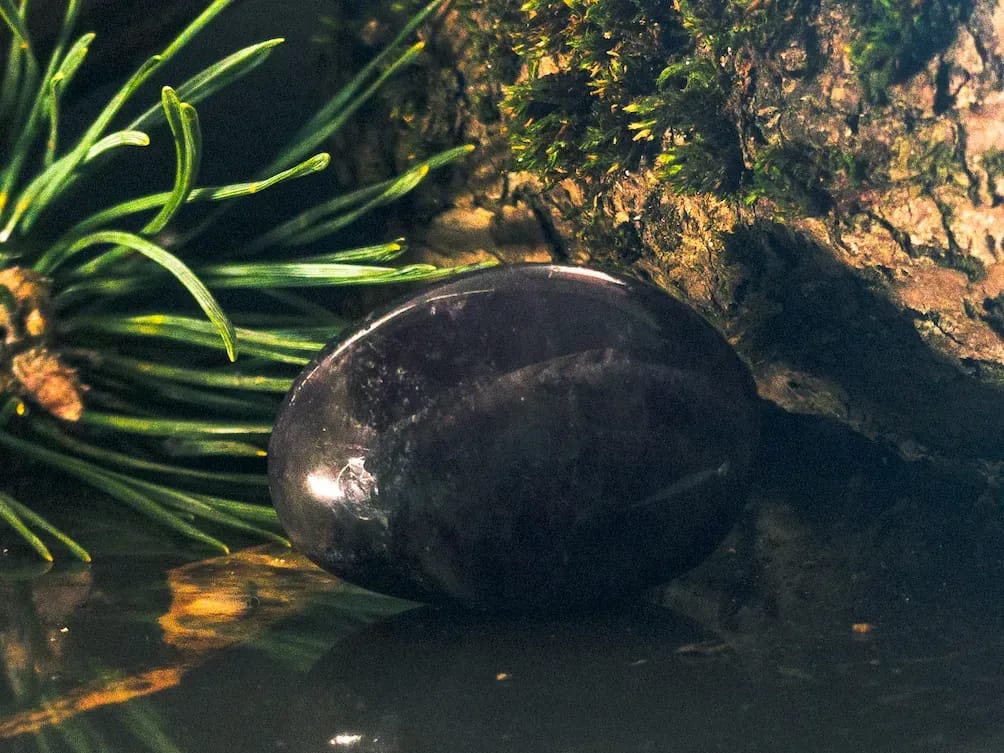
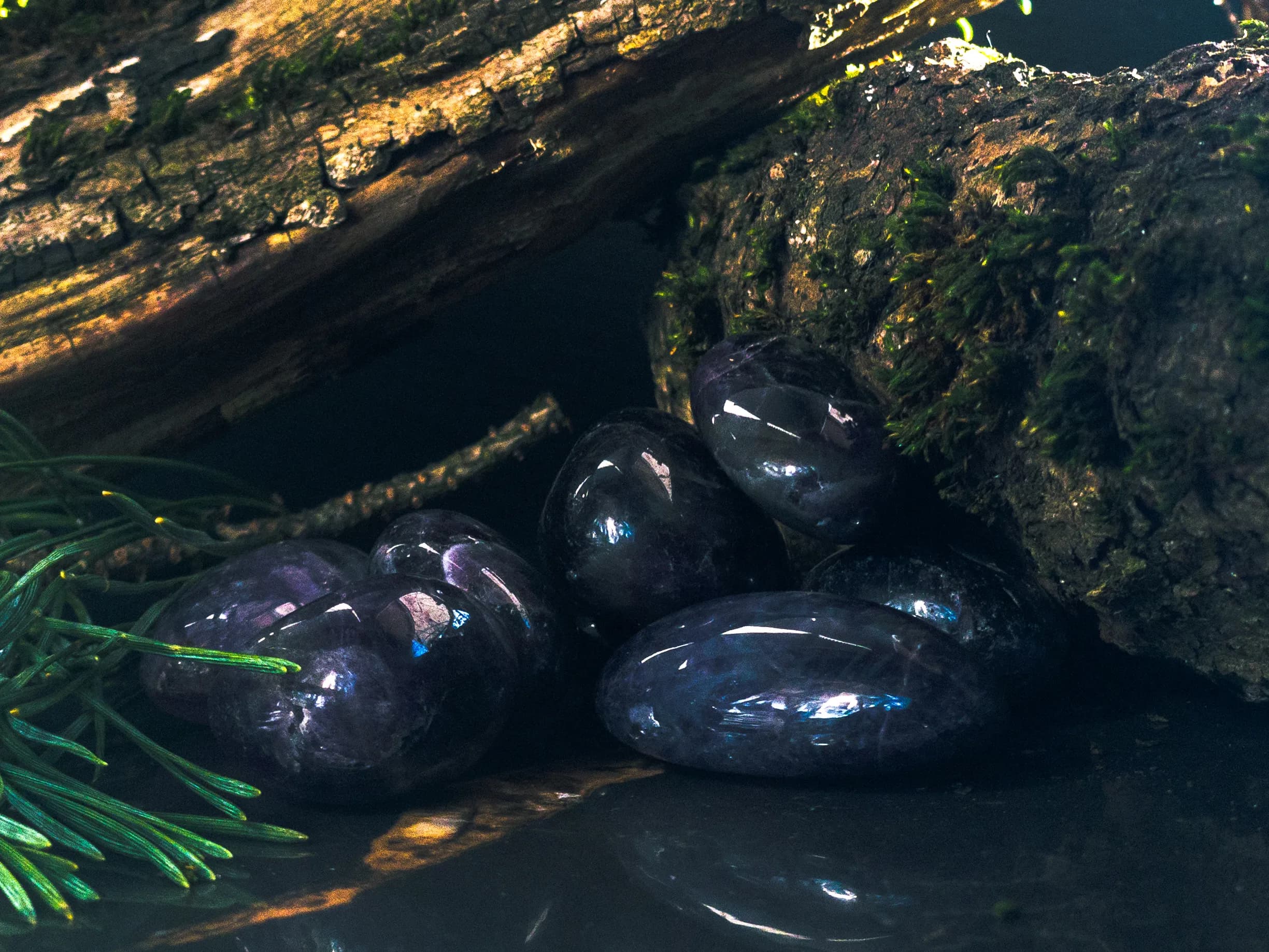
Amethyst is a violet to deep purple variety of quartz, composed of silicon dioxide with trace iron and natural irradiation that give it its distinctive hue. It ranks 7 on the Mohs hardness scale, making it resilient for use in jewelry, carvings, and decorative specimens. Its beauty and symbolic depth have made it one of the most cherished gemstones across centuries.
The exploration of amethyst meaning often centers on ideas of clarity, protection, sobriety, inner peace, and spiritual transformation. Many people include it in meditation, energy work, or simply as a mindful companion.
🪨 Geological Profile & Formation
Amethyst is a variety of quartz (thus a quartz crystal) in the trigonal crystal system. Its purple color arises from trace iron (Fe³⁺) replacing silicon in the crystal lattice, together with irradiation that creates color centers.
This violet gemstone often forms inside geodes or cavities within volcanic (basaltic) rock, where silica-rich fluids precipitate layers of quartz, creating interior spaces lined with well-formed crystals. The term amethyst geode refers to these hollow, crystalline structures.
Major modern sources include Brazil, Uruguay, Zambia, and Russia. Historically, Russia was a principal supplier until vast Brazilian deposits increased global availability. A spectacular example is the “Empress of Uruguay” - a giant amethyst geode standing about 3.27 m tall and weighing ~2.5 tons. (Empress of Uruguay - Wikipedia)
📜 History, Legend & Cultural Legacy
The name amethyst comes from the Greek word amethystos, meaning “not intoxicated,” reflecting an ancient belief that drinking from amethystware would prevent drunkenness. (Amethyst - Wikipedia)
Throughout history:
- Ancient Greeks carved drinking cups from amethyst, believing it countered intoxication.
- In medieval Europe, amethyst was once categorized among the “cardinal gems” - once considered as valuable as diamonds, rubies, sapphires, or emeralds.
- Bishops often wore rings with amethyst, symbolizing spiritual wisdom and humility.
- A recent archaeological find in Poland uncovered a medieval gem set with amethyst in fire-gilded silver, likely the lost jewel of a noble, attesting to its prestige in medieval society.
✨ Metaphysical Qualities & Healing Associations
In modern spiritual and crystal-healing practices, amethyst is often attributed a wide range of mental, emotional, and energetic benefits (though these claims lack scientific proof). Some of its commonly cited qualities are:
- Calm & stress relief: Amethyst is said to soothe anxiety, quiet a racing mind, and foster inner peace.
- Better sleep & dream support: Placed near the bed or under the pillow, it is used to reduce insomnia or ward off nightmares.
- Spiritual insight & intuition: Often linked to the third-eye and crown chakras, used as a tool in meditation to deepen awareness.
- Emotional balance: Believed to stabilize mood swings, ease grief or anger, and restore inner harmony.
- Energy cleansing & protection: Many consider it a shield against negative energies, psychic interference, or environmental stressors.
- Holistic physical support: Some traditions propose benefits like headache relief or immune support-though these are speculative.
⚡ Surprising & Lesser-Known Facts
- Excessive exposure to sunlight or UV can cause amethyst color to fade.
- Many commercial “citrine” or “citrine crystal” items are actually heat-treated amethyst; applied heat degrades purple into yellow, orange, or green tones.
- Ametrine is a rare crystal that naturally combines zones of amethyst (purple) and citrine (yellow) in one specimen.
- The market value of amethyst depends more on color saturation and clarity than on size alone.
- The “Empress of Uruguay” is one of the largest known amethyst geodes - 3.27 m tall, 2.5 tons. (Empress of Uruguay - Wikipedia)
- In gemstone lore, the heat alteration from amethyst to yellow is one path by which citrine is generated artificially.
- Leonardo da Vinci reputedly believed amethyst could dispel evil thoughts and “quicken the intelligence.”
🧘 Practical Ways to Use Amethyst in Daily Life
If you resonate with its symbolic or energetic themes, here are some ways to work with amethyst:
- Wear it as jewelry: Pendants, rings, earrings, or bracelets keep it close to your energy field.
- Meditation focus: Hold or place amethyst on your third eye or crown chakra during meditation.
- Sleep support: Place a tumbled piece near your bed or under your pillow to encourage restful sleep.
- Space energy cleansing: Use clusters or geodes in rooms to symbolically “filter” or uplift energy.
- Crystal grids: Use amethyst (or combine with clear quartz or citrine) as central or supporting stones in intention grids.
- Carry a pocket stone: Keep a small polished piece with you for calm and clarity when needed.
- Cleansing & recharging rituals: Rinse with lukewarm water, smudge with sage, or recharge under moonlight (especially full moon). Avoid direct sunlight or intense heat, which can fade color.
⚖️ Caring for Your Amethyst
To help preserve its structure, color, and any symbolic potency:
- Avoid heat & direct sunlight: Prolonged exposure can fade or alter the purple hue.
- Clean gently: Use mild soap, lukewarm water, and a soft brush or cloth. Avoid harsh chemicals or ultrasonic cleaners.
- Store safely: Keep it separate from harder gemstones to prevent scratches.
- Periodic energetic upkeep: If you follow energetic traditions, occasionally cleanse and recharge your stone to refresh its vibration.
🌟 Embrace the Essence of Amethyst
Amethyst is more than a beautiful violet gemstone. Its symbolism - clarity, calm, protection, and spiritual insight - has echoed through many eras and cultures. While its metaphysical claims lack scientific foundation, many discover meaning and comfort through their interaction with it, whether in meditation, as a symbolic talisman, or simply as a beautiful presence.
May your journey with amethyst bring stillness, clarity, and a deeper connection to your inner guidance.